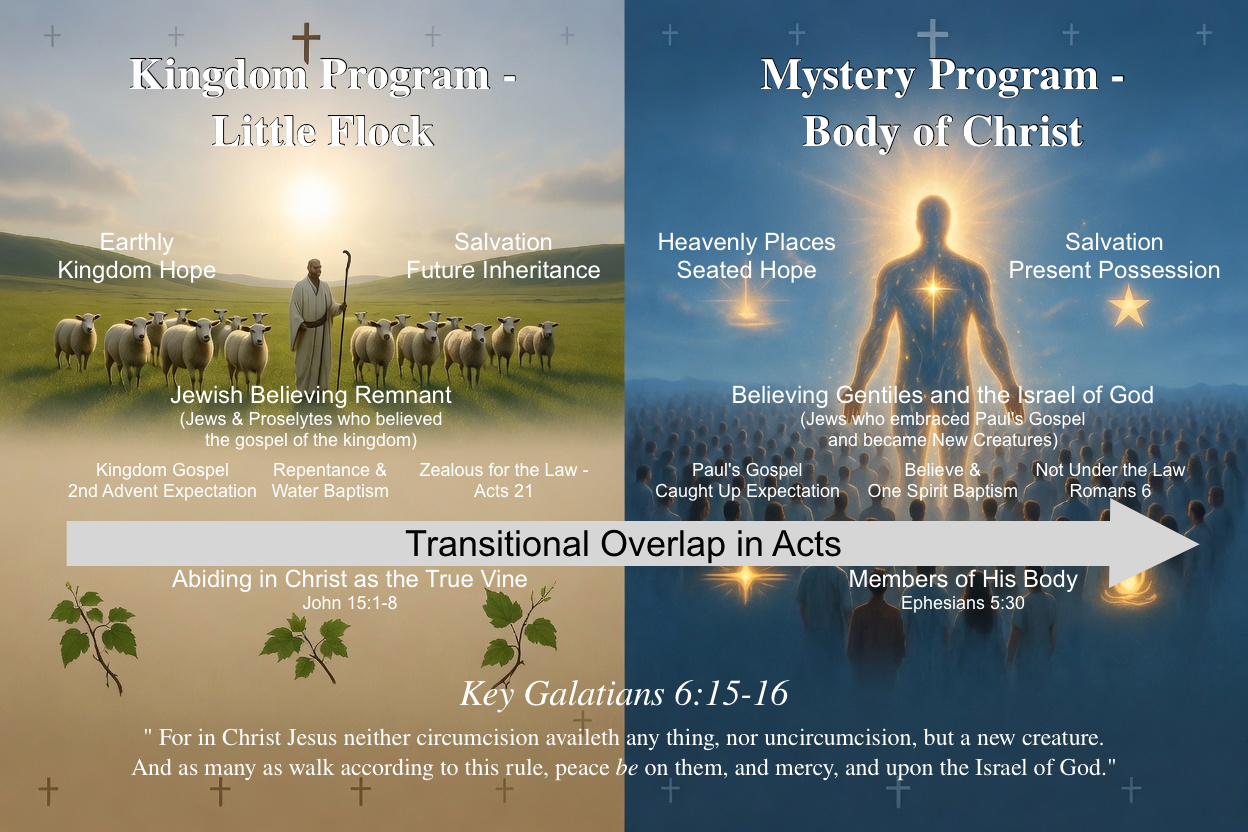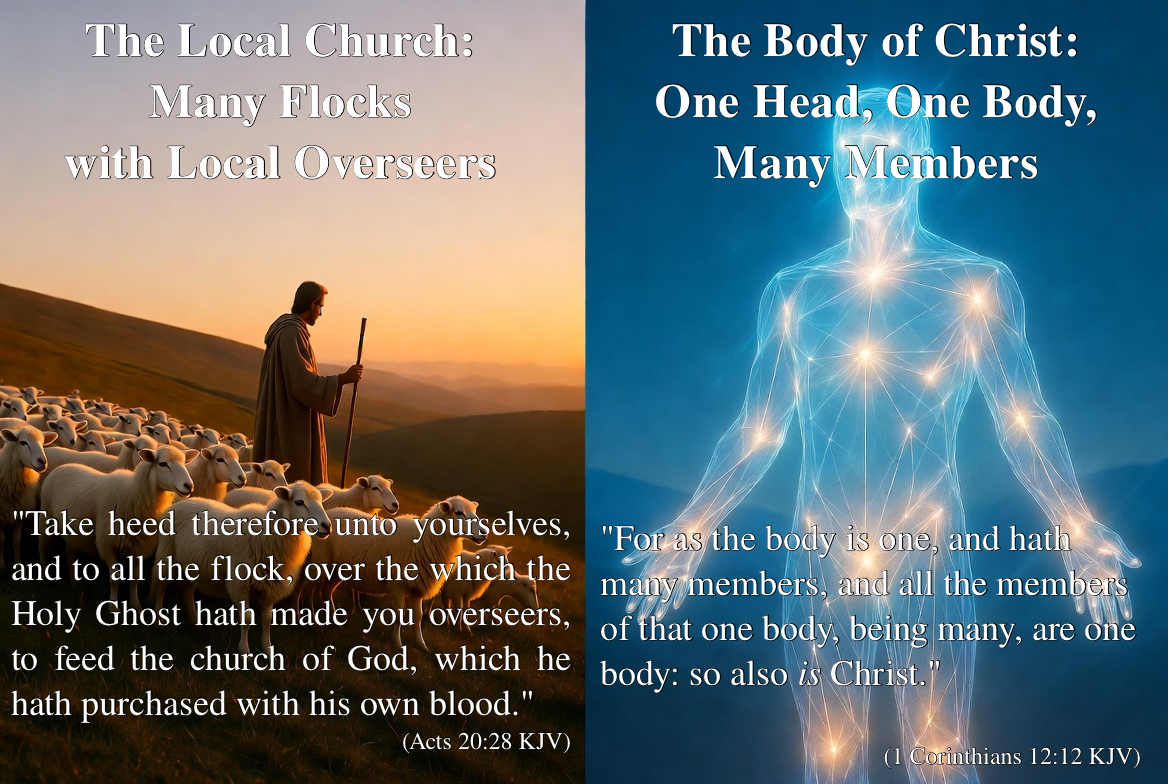
Have you ever sat through an offering time feeling that familiar pressure—maybe a strong hint that real faith means tithing ten percent every week, or you’re robbing God if you don’t? It’s a common teaching, but let’s go straight to the King James Bible and see what God actually said about the tithe and what Paul (the apostle to us Gentiles) teaches for the body of Christ today.
Abraham’s One-Time Tithe: Not a Pattern for Weekly Church Giving
Many well-meaning teachers point back to Abraham as “proof” that tithing is God’s timeless standard for everyone. Let’s look at what the Scripture actually says:
“And blessed be the most high God, which hath delivered thine enemies into thy hand. And he gave him tithes of all.” (Genestiis 14:20 KJV)
Abraham gave a tenth of the spoils of battle—war plunder taken from one specific military victory—to Melchisedec, king of Salem. He did this one time. It was not on his regular income or increase. It was not a recurring practice. And it certainly was not a model for weekly giving to support a local assembly in the dispensation of grace.
Have you ever noticed how this single event gets stretched into a lifelong rule for New Testament believers? “See, Abraham tithed before the law, so we should too!” That’s classic poor proof-texting that ignores the immediate context, the audience, and the rightly divided boundaries Paul commands us to observe (2 Timothy 2:15 KJV).
Abraham acted as the father of the Jewish nation long before the law was given at Sinai. His tithe was a unique, one-off response to God’s deliverance in battle. He gave the tenth to Melchisedec (a beautiful type of Christ as King-Priest) and then returned the rest of the spoils to the king of Sodom so no one could say they had made Abraham rich (Genesis 14:21-23 KJV). Nothing in the passage suggests this became Abraham’s regular financial practice, nor does Scripture ever hold it up as a command for the church.
Think about it logically: If Abraham’s tithe were meant to set the pattern for the body of Christ, why does Paul—the apostle to the Gentiles and the one given the revelation for this age—never mention it even once when writing to churches full of people with no background in the law? Instead, Paul teaches cheerful, proportionate, heart-led giving under grace (2 Corinthians 9:7 KJV; 1 Corinthians 16:2 KJV). He never puts us under a fixed percentage or threatens a curse for failing to meet it.
Abraham’s action belongs to the old program and points forward in type to Christ. Trying to turn this isolated event into ongoing “storehouse tithing” for the local church today is blending dispensations and ignoring the clear transition that took place once the mystery was revealed. We are not Abraham. We are not under the law. We are new creatures in Christ (2 Corinthians 5:17 KJV), already blessed with all spiritual blessings in heavenly places (Ephesians 1:3 KJV).
Tithing’s Clear Purpose Under the Law for Israel
Under the Mosaic law, tithing had a very specific national purpose for the nation of Israel. It wasn’t a universal spiritual principle dropped down from heaven for all time—it was part of the old covenant system given to one people under one program. Let’s let the Scriptures speak for themselves:
“And all the tithe of the land, whether of the seed of the land, or of the fruit of the tree, is the LORD’s: it is holy unto the LORD.” (Leviticus 27:30 KJV)
“And, behold, I have given the children of Levi all the tenth in Israel for an inheritance, for their service which they serve, even the service of the tabernacle of the congregation.” (Numbers 18:21 KJV)
“Thou shalt truly tithe all the increase of thy seed, that the field bringeth forth year by year.” (Deuteronomy 14:22 KJV)
The tithe supported the Levites, who had no land inheritance of their own. It funded the tabernacle (and later temple) service, and it helped provide for the poor, the widow, the fatherless, and the stranger within Israel’s gates. It was food for the priests and storehouses for the nation—very practical, very earthly, and very much tied to Israel’s standing as God’s earthly people.
God even warned the nation through the prophet Malachi when they failed in this area:
“Will a man rob God? Yet ye have robbed me. But ye say, Wherein have we robbed thee? In tithes and offerings… Bring ye all the tithes into the storehouse, that there may be meat in mine house, and prove me now herewith, saith the LORD of hosts, if I will not open you the windows of heaven, and pour you out a blessing…” (Malachi 3:8-10 KJV)
Have you ever noticed how often this Malachi passage gets pulled out of its context and aimed straight at Gentile believers today? It was a warning to Israel under the old covenant, complete with promises of material blessing and curses for disobedience that belonged to their program.
Jesus Himself referenced tithing while addressing Jews who were still living under the law:
“Woe unto you, scribes and Pharisees, hypocrites! for ye pay tithe of mint and anise and cummin, and have omitted the weightier matters of the law, judgment, mercy, and faith: these ought ye to have done, and not to leave the other undone.” (Matthew 23:23 KJV)
Notice He didn’t abolish the tithe for them at that moment—He was speaking as the minister of the circumcision (Romans 15:8 KJV), correcting Israel while the law was still in effect.
All of this was part of Israel’s old covenant program—“carnal ordinances” and “divers washings… imposed on them until the time of reformation” (Hebrews 9:10 KJV). The tithe was never a “church ordinance” for the body of Christ. It was never commanded to the Gentiles. And Paul, the apostle to the Gentiles, never once puts the church under it.
When we mix these Old Testament requirements with the church today, we blur the rightly divided boundaries Paul gave us and quietly slip believers back under “the yoke of bondage” (Galatians 5:1 KJV). We are not Israel. We are not under the law. We are new creatures in Christ (2 Corinthians 5:17 KJV), already blessed with all spiritual blessings in heavenly places (Ephesians 1:3 KJV), and free to give cheerfully according to the grace God has given each of us (2 Corinthians 9:7 KJV).
Paul Never Teaches Tithing to Gentile Churches
Here’s where it gets truly eye-opening. Paul, the apostle to the Gentiles, went into cities full of people with no background in the law of Moses and established churches among them. In all thirteen of his epistles—filled with detailed instructions on doctrine, walk, and church order—he never once tells them to tithe. Not a single time.
Have you ever stopped to consider that? If tithing were still a binding standard for the body of Christ in this dispensation, wouldn’t the man given the revelation of the mystery have mentioned it at least once when writing to predominantly Gentile assemblies? He doesn’t. Instead, Paul teaches something far better and far freer—grace giving.
“Every man according as he purposeth in his heart, so let him give; not grudgingly, or of necessity: for God loveth a cheerful giver.” (2 Corinthians 9:7 KJV)
“Upon the first day of the week let every one of you lay by him in store, as God hath prospered him, that there be no gatherings when I come.” — (1 Corinthians 16:2 KJV)
No fixed percentage. No threat of a curse. No “storehouse” mandate. Giving under grace flows from a heart that has grasped the riches of God’s grace and the finished work of Christ. It is voluntary, joyful, and proportionate to how the Lord has prospered each individual believer.
Paul also gave clear instruction about meeting the practical expenses of the local assembly. He expected the saints to handle these things in an orderly way so there would be no last-minute pressure or special collections when he came. The verse in 1 Corinthians 16:2 above was precisely for that—regular, systematic laying aside for the needs of the gathering itself.
Beyond the general expenses of the assembly (place to meet, etc.), Paul taught that those who labor in teaching the Word have a right to material support from the saints:
“If we have sown unto you spiritual things, is it a great thing if we shall reap your carnal things?” (1 Corinthians 9:11 KJV)
“Even so hath the Lord ordained that they which preach the gospel should live of the gospel.” (1 Corinthians 9:14 KJV)
“Let him that is taught in the word communicate unto him that teacheth in all good things.” (Galatians 6:6 KJV)
This is not a salary demanded by law or a mandatory tithe. It is a grace-based recognition that the laborer is worthy of his hire. The saints share in the spiritual blessings they receive by helping meet the practical, material needs of those who faithfully teach God’s Word. It flows naturally from understanding grace—not from guilt, fear of a curse, or promises of extra blessing.
One sad byproduct of heavy-handed tithing teaching is the bitter attitude it often leaves in people toward giving in general or toward those who receive support for ministry. Many believers have been so pressured, guilted, or threatened with curses that the very mention of supporting a pastor or the practical needs of the assembly stirs up resentment instead of joy. Paul saw this danger and warned against it. He taught that those who labor in the Word have a right to be supported, yet he was careful never to turn that support into a law that burdens the saints or creates suspicion. When tithing is misused as a club, it poisons the cheerful spirit God loves and makes people wary of any talk of giving. But under grace we are free from that bondage. Giving becomes a willing, thankful response to the spiritual blessings we have already received in Christ, not a grudging duty performed under threat. Let’s guard our hearts against the bitterness that abusive tithing lessons can leave behind, and return to the simple, joyful pattern Paul gave us.
Paul never threatens the body of Christ with a curse for not tithing. Why? Because our blessings are already ours “in Christ” (Ephesians 1:3 KJV). We are new creatures (2 Corinthians 5:17 KJV), not under the law but under grace (Romans 6:14 KJV). The old system of tithing belonged to Israel’s program. We are under a better program—the ministry of reconciliation committed to Paul.
Non-Biblical Methods: Faith Promise and Other Pressures
Many churches today have developed all sorts of creative ways to raise money that go well beyond what Paul taught the body of Christ. Instead of simple, cheerful, grace-based giving, they turn the offering time into a works-based system that can leave believers feeling pressured, guilty, or spiritually deficient if they don’t “step up.” One of the most common examples is the “faith promise” method often used in missions conferences.
They encourage believers to “promise by faith” a certain amount for missions, believing God will supply it. While the desire to support the spread of the gospel is good, this practice can easily slip into performance. They often pull from 2 Corinthians 8–9 to support it. But look at the actual context:
“For I mean not that other men be eased, and ye burdened: But by an equality, that now at this time your abundance may be a supply for their want, that their abundance also may be a supply for your want: that there may be equality.” (2 Corinthians 8:13-14 KJV)
This was a one-time relief offering to help poor saints in Jerusalem who were suffering from famine and persecution. It was not a model for ongoing missionary budgets or annual pledge cards where people commit to amounts they don’t yet have and then strive to “believe hard enough” for God to provide it. Turning a special benevolence offering into a binding yearly system can create unnecessary pressure and move us away from the simple, joyful liberty Paul described.
Have you seen how some ministries seem to revolve around money? Constant appeals, emotional stories designed to pull at the heartstrings, “seed faith” teachings that promise bigger returns if you give more, building fund drives with special “faith commitments,” raffles, auctions, or even guilt-laden sermons that imply you’re hindering the work of God if you don’t give above your regular offering. Some go so far as to suggest that failing to give a certain percentage will bring a curse or block blessings—pulling Malachi 3 right out of its Old Testament context and aiming it at the church.
None of this sounds like the freedom Paul described for the new creature:
“Stand fast therefore in the liberty wherewith Christ hath made us free, and be not entangled again with the yoke of bondage.” (Galatians 5:1 KJV)
When giving becomes a test of spirituality, a works-based promise, or a means to earn extra favor with God, we have quietly slipped back under the very bondage Paul fought so hard against in Galatia and Colossae. The apostle never used manipulative tactics. He taught cheerful, proportionate, heart-led giving that flows from understanding the grace of God and the finished work of Christ.
Our acceptance is already complete in the Beloved (Ephesians 1:6 KJV). We are already blessed with all spiritual blessings (Ephesians 1:3 KJV). We don’t give to stay right with God or to unlock windows of heaven—we give because we have already received so much in Christ. True giving in the body of Christ remains voluntary, orderly, and joyful. It meets real needs without pressure, supports those who labor in the Word without turning them into hirelings under law, and keeps the focus where Paul wanted it: on the preaching of Jesus Christ according to the revelation of the mystery and the edifying of the body.
The Joy of Grace Giving for the New Creature
When we rightly divide, the pressure lifts. Giving for the local assembly—whether meeting practical needs or supporting those who labor in the Word—remains cheerful and voluntary. Paul says those who teach the Word have a right to support (1 Corinthians 9:11, 14 KJV; Galatians 6:6 KJV), but it flows from understanding grace, not law.
True giving in the body of Christ is the overflow of a heart that has grasped the riches of God’s grace. It needs no percentage demanded by law, no curse hanging over it, and no constant pressure—just the thankful response to what Christ has already done for us.
Does this bring you greater freedom and joy? I hope so. We are already accepted in the Beloved, already complete in Him (Colossians 2:10 KJV). Let’s give cheerfully as God has prospered us, keeping the focus on the preaching of Jesus Christ according to the revelation of the mystery.
May the Lord bless you as you walk in this glorious liberty!
© 2026 Edward R. Cross